Eating on a Budget During Umrah: A Simple Food Guide for UK Pilgrims
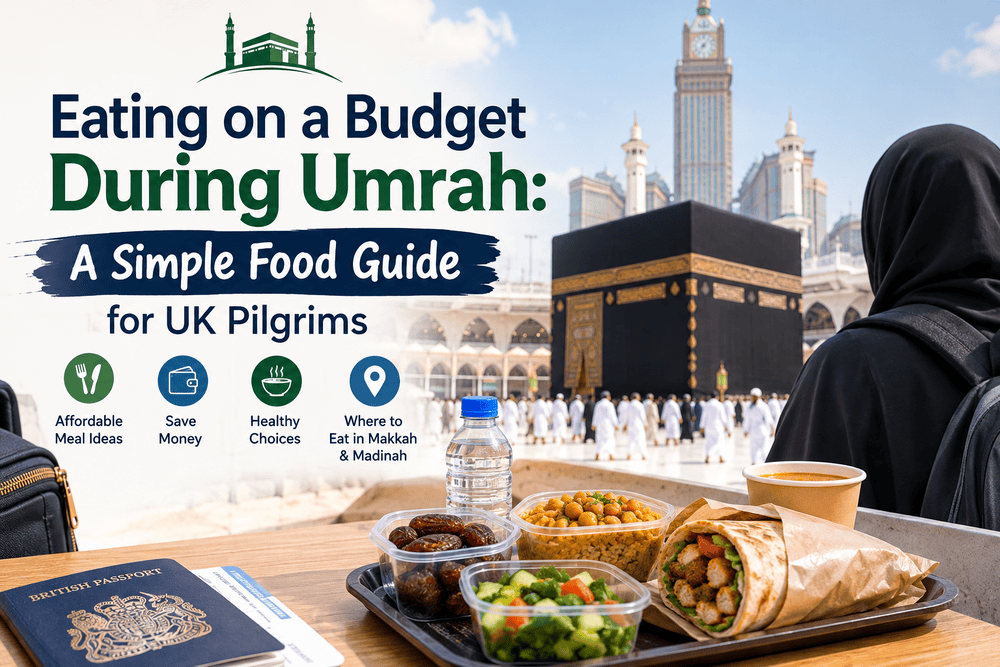
When people from the UK plan Umrah, they think about flights, hotels and visas. Food is often an afterthought. Then they land in Makkah, find out their package does not include lunch or dinner, and start wondering how much to spend.
The good news is that eating well in Makkah and Madinah does not have to cost a lot. There is food for every budget, from small local cafés to big shopping centre food courts. You will even see some fast food names you know from back home.
This guide explains what food your package usually covers, how to keep costs down, and why December is a great month to go if you want a cheaper, more comfortable trip.
What food does an Umrah package include?
Most Umrah packages from the UK do not include all your meals. This surprises a lot of first-time pilgrims, because the word “all-inclusive” makes them think of a beach holiday with free food all day.
For Umrah, “all-inclusive” usually means your flights, visa, hotels and transport are covered in one price. Meals are a separate thing. Here is what you can usually expect:
• 3-star packages. Often room only, with no meals. Some include breakfast.
• 4-star packages. Breakfast is usually included.
• 5-star packages. Breakfast is included, and some hotels offer half board or full board for an extra cost.
When you compare Umrah packages prices, always check which meals are included. A package that looks £50 cheaper might cost you more in the end if it has no breakfast and you have to buy every meal.
Most UK packages start from around £349 per person for a short stay in a 3-star hotel, with four people sharing a room. Longer trips and 5-star hotels near the mosque cost more. On top of this, plan a food budget for each day.
Why breakfast matters
If you can, pick a package with breakfast. Here is why:
• It saves money. One less meal to buy each day adds up over a 10-night trip.
• It saves time. You can eat straight after Fajr and rest, instead of looking for somewhere open.
• It keeps you going. You will walk a lot. Starting the day with a proper meal makes a big difference.
Hotel breakfasts in Makkah and Madinah are usually buffets with eggs, bread, cheese, beans, fruit, dates, tea and coffee. There is normally plenty to fill you up until the afternoon.
Where to eat in Makkah and Madinah
Local cafés and restaurants
The streets around the Grand Mosque in Makkah and the Prophet’s Mosque in Madinah are full of small restaurants. These are often the best value. Look out for:
• Rice dishes such as kabsa and mandi, with chicken or lamb. Portions are big and easy to share.
• Shawarma wraps, which are cheap, quick and filling.
• Grilled chicken with bread, salad and garlic sauce.
• Pakistani, Indian and Turkish food. These are everywhere, so you will find plenty of familiar curries, biryanis and naan.
A good tip is to eat where the workers and local families eat. These places are usually cheap, fresh and busy for a reason.
Food courts
Big hotels and shopping centres near the mosque, such as those in the Clock Tower in Makkah, have large food courts. You will find lots of choice in one place, including some well-known fast food brands. Prices are usually higher than in local cafés, but they are clean, air conditioned and easy for families with children.
Supermarkets and shops
Small shops and supermarkets sell bread, fruit, yoghurt, dates, biscuits, juice and water. Buying a few snacks and keeping them in your room is one of the easiest ways to save money. Many hotel rooms have a small fridge.
Food is all halal
One thing UK pilgrims love is that every place serves halal food. You do not need to check labels or ask questions in every shop. This makes eating out much simpler, mainly for families with children who are used to checking everything back home.
You will still need to think about allergies. If you or your children have a food allergy, learn how to say it in Arabic, or carry a card that explains it.
Ten tips to save money on food
1. Pick a package with breakfast. It is often worth paying a little more.
2. Share big dishes. Rice platters are made for sharing. One large plate can feed two or three people.
3. Eat away from the main streets. Restaurants a few minutes’ walk from the mosque are often cheaper than those right next to it.
4. Keep snacks in your room. Dates, fruit and bread are cheap and make a good light meal.
5. Drink Zamzam water. It is free in both mosques. Bring a refillable bottle.
6. Do not buy bottled water by the mosque. Buy larger packs from a supermarket.
7. Bring a few things from the UK. Teabags, porridge sachets and snacks your children like can help, and they do not take much space.
8. Set a daily food budget. Decide how much you will spend each day and keep cash for it.
9. Eat your main meal at lunchtime. Many restaurants offer set lunch meals that are better value.
10. Avoid buying food in rushes. Restaurants near the mosque are packed straight after prayers. Eat a little earlier or later and you will wait less.
Why December is a good month to go
If you want a more comfortable trip, December is one of the best times to go. Here is why.
The weather is cooler. In Makkah, daytime temperatures are usually around 28°C to 31°C, and nights drop to about 18°C to 21°C. Madinah is cooler still, with days around 20°C to 24°C and nights that can fall to 10°C. That is far easier than summer, when Makkah is often over 40°C. You will need less cold water and ice, and walking between your hotel and the mosque is much easier.
It fits the school holidays. Schools in England usually break up for Christmas around 18 December. That gives families about two weeks to travel without taking children out of school.
You can pick quieter dates. The first half of December, before schools break up, is calmer and cheaper. The Christmas week is busier and costs more.
December prices from the UK start from around £649 per person for a short 3-star trip and go up to around £1,250 for 14 nights in a 5-star hotel. Many December packages also include breakfast, which helps a lot with your food budget. If you are planning for this year, look at December Umrah packages from UK soon. Christmas week flights are always the first to sell out.
What to pack for food and drink
A few small things will help you eat well and spend less:
• A refillable water bottle
• A small reusable bag for snacks
• A plug adaptor, so you can use the kettle in your room if there is one
• Teabags and a few sachets of your usual drinks
• Basic medicine for upset stomachs, such as rehydration sachets
• Wet wipes and hand gel (unscented if you are in ihram)
A note on looking after your health
Food matters on Umrah too. If you eat badly or too little, you will feel tired and may get ill. Try to:
• Eat fruit and vegetables each day, not just rice and bread.
• Drink plenty of water, even in cooler months.
• Eat freshly cooked food, and avoid food that has been sitting out in the heat.
• Wash your hands before eating, mainly after being in big crowds.
Quick questions
Can I find food I know from the UK?
Yes. You will see some well-known fast food and coffee chains, mainly in the big shopping centres near the mosques. There is also lots of Pakistani, Indian and Turkish food, which many British Muslims will know well.
Is it safe to eat street food?
Most food sold near the mosques is fine. Choose busy places where food is cooked fresh in front of you, and avoid anything that has been left out in the sun.
Should I pay extra for full board?
It depends. Full board saves time, but local food is often cheaper and gives you more choice. Many families pick breakfast only and eat out for the rest.
Final word
Food does not need to be a big cost on your Umrah trip. Pick a package with breakfast if you can, eat where the locals eat, share big dishes and keep some snacks in your room. Above all, check what your package includes before you book, so there are no surprises.
If you want cooler weather and a calmer trip, think about going in early December. With a bit of planning, you can eat well, stay healthy and keep your money for what matters most.