Building Customer Trust in Food Brands Through Better Digital Storytelling
A great dish has the power to bring people back again and again, build a loyal following, and turn a small kitchen into a name people recognize. Yet even the best cooking can struggle to build a following if it isn’t communicated in a way that makes people want to try it.
Restaurants and food brands today are no longer speaking only to regulars who already know them. Their audiences include first-time diners, home cooks browsing recipes, delivery app users, local press, suppliers, and prospective franchise partners. Each group has different expectations for how a brand should look, sound, and feel online.
This shift has made digital storytelling an increasingly valuable skill in the food industry. By combining genuinely good food with clear, engaging communication, restaurants and brands can improve discovery, encourage loyalty, and build lasting customer trust.
Why Customer Trust Matters More Than Ever
Food influences daily decisions in a way few other products do, from what a family cooks on a weeknight to where a group decides to celebrate a birthday. However, the growing volume of online food content also means that a brand’s story can get lost or misrepresented if it isn’t told clearly.
When a menu or brand story is hard to understand, people often default to whatever looks most familiar or heavily promoted instead, even if it isn’t the better choice.
Clear communication helps bridge this gap by making a food brand’s offering more accessible without compromising what makes it genuinely good. Restaurants that explain not just what they serve but how and why they make it help customers understand the craft behind the food.
Transparency encourages confidence, and confidence builds repeat customers.
Digital Platforms Have Expanded How Food Brands Reach People
Word of mouth remains essential, but it is no longer the only way a restaurant or food brand grows.
Today, food businesses also communicate through:
- Restaurant and brand websites
- Delivery app profiles
- Email newsletters
- Community events
- Local press features
- Podcasts and food shows
- Video platforms
- Social media
These channels allow restaurants and food brands to introduce new dishes, explain their sourcing, and engage directly with a wide range of customers.
Digital communication also makes it easier for food brands to reach customers well beyond their immediate neighborhood.
Visual Storytelling Makes a Menu Easier to Understand
Many aspects of a dish are difficult to explain using a menu description alone.
Visual communication can simplify things like:
- Plating and portion size
- Cooking technique
- Ingredient sourcing
- Kitchen preparation
- Seasonal availability
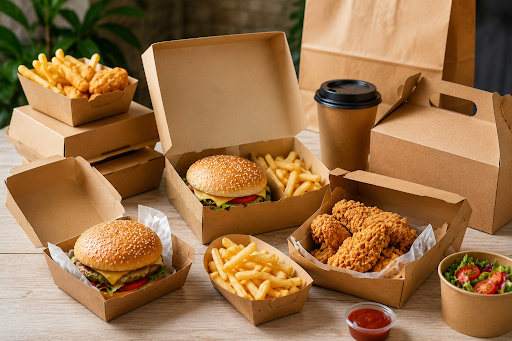
- Packaging and presentation
Rather than replacing a well-written menu, visual content acts as an entry point that gets someone curious enough to actually order or book a table.
When a dish is presented clearly, it becomes easier for customers, delivery platforms, and local media to understand what makes it worth trying.
Using Social Media to Increase a Food Brand’s Visibility
Restaurants and food brands are increasingly using social media to promote new menu items, fill seats for events, announce openings, and share behind-the-scenes content. Some businesses also use SMM Panel Services to support social media visibility and engagement alongside their broader digital marketing efforts.
However, simply posting a photo of a dish often isn’t enough to attract attention on its own.
Visual campaigns highlighting a dish’s best qualities can significantly increase engagement.
For example, carefully planned Instagram feed ads can help restaurants, bakeries, and food brands introduce a new menu item, promote a seasonal offer, or encourage bookings for an upcoming event. By combining concise messaging with strong food photography, brands can reach customers who might never come across them through search alone.
Authentic Stories Strengthen Credibility
People often connect with a food brand’s story more easily than with a list of ingredients.
While the food itself should always remain the center of attention, sharing the human side of a kitchen can make a brand far more relatable.
Food brands might highlight:
- A chef’s background and journey
- Collaboration with local suppliers
- Staff and kitchen team introductions
- Community events and fundraisers
- Customer favorites and regulars
- Behind-the-scenes prep
This type of content demonstrates the care and effort behind the food.
Many food brands are also exploring social proof ads and user-generated content–style campaigns to highlight real customer reactions, regulars enjoying a meal, and authentic moments from the dining room. Rather than relying solely on traditional promotional photography, these approaches showcase real people enjoying real food, helping new customers build confidence in both the brand and the experience.
Consistency Thrives on Clear Communication
Running a food brand today is increasingly cross-functional.
A single seasonal launch might involve a chef, a marketing lead, a social media manager, and a delivery partner all working together to get the timing and messaging right.
Effective digital communication supports this coordination by making information easier to share and align on.
Visual previews, behind-the-scenes clips, and well-designed promotional content reduce miscommunication while helping teams stay aligned on a launch.
Clear communication also speeds up how quickly a new item goes from kitchen test to customer favorite.
Supporting Food Education and Discovery
Digital storytelling extends beyond promoting what’s already on the menu.
Food brands use visual content to introduce cooking techniques, explain ingredient sourcing, and inspire home cooks to try something new.
Customers often engage more effectively with content when they encounter:
- Behind-the-scenes prep videos
- Short recipe walkthroughs
- Ingredient spotlights
- Step-by-step plating demonstrations
Making this kind of content engaging helps strengthen a brand’s identity while encouraging customers to explore more of the menu.
Protecting Focus in a Busy Kitchen
Digital platforms offer real opportunities for food brands to grow, but they also create constant distractions for the people running the business.
Chefs and owners regularly balance recipe development, supplier calls, inventory, staffing, and marketing planning. Constant notifications and entertainment platforms can interrupt deep focus during these demanding tasks.
Many food business owners now adopt intentional digital habits to protect uninterrupted work sessions. Learning how to stop watching YouTube during dedicated recipe development or planning hours, for example, can help reduce distractions and improve productivity when refining a new dish or preparing for a launch.
Building healthy digital routines doesn’t mean avoiding technology, it means using it deliberately so that valuable tools support the work in the kitchen rather than compete with it.
The Future of Food Communication
Technology will continue changing how food brands reach people.
Better photography tools, AI-assisted content creation, and digital collaboration tools are making food storytelling more accessible than ever before.
The food brands that communicate clearly while staying true to what makes their food good will be better positioned to:
- Increase visibility beyond their neighborhood
- Strengthen customer loyalty
- Attract new partnerships
- Support staff training and consistency
- Encourage repeat visits
- Build a lasting reputation
Great food and effective communication are no longer separate skills, they increasingly work together to build a brand that lasts.
Final Thoughts
Great food has the greatest impact when it is understood, trusted, and shared.
Digital storytelling allows food brands to present what makes their cooking special in ways that are engaging, honest, and accessible to a wider audience. Whether through appetizing visuals, promotional campaigns, or authentic stories from the people behind the kitchen, thoughtful communication helps bridge the gap between a dish and a loyal customer.
As food brands become more digitally connected, investing in better communication isn’t simply a marketing strategy, it’s an essential part of building a business that people keep coming back to.