
How Premium Milk Compound Chocolate Slabs Achieve Smooth Melt and Clean Snap
Introduction
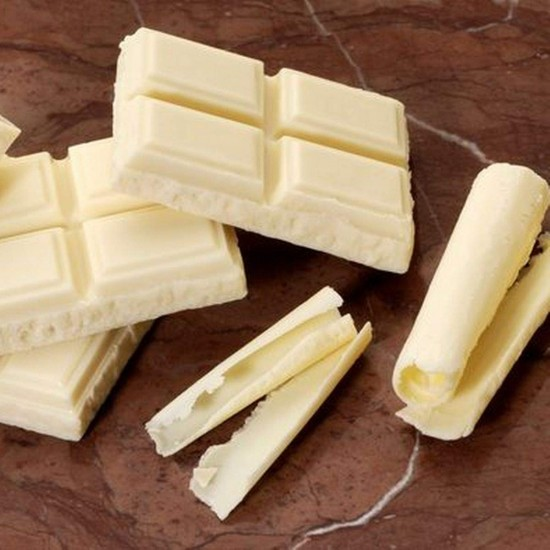
Imagine you are a buyer tasting chocolate slabs in the pastry kitchen. You snap one of the slabs in half and it snaps with a crisp, clean sound. The second slab bends and rips but leaves a greasy residue on your fingers.
They are both milk compound and cost roughly the same per kg. However, one will perform well on the line and the other will cause complaints by the weekend. This is what separates a standard Milk Compound Chocolate Slabs from a premium one. To get a smooth melt and crisp break we need to think about the chemistry, milling and processing of the slabs.
What is a Compound Slab?
Compound chocolate is made by replacing some or all of the cocoa butter with vegetable fats. Most commonly palm kernel fractions and other Lauric fats are used. Cocoa powder is usually used to give the cocoa flavour. The rest of the slab will consist of milk powder, sugar and an emulsifier.
This change means you do not need to temper the compound. They are easy to melt, set quickly and perform well in warm environments. This makes them popular with bakeries, dessert shops, ice cream manufacturers and bulk confectionery buyers.
In many markets, chocolate is only allowed to be made with cocoa butter. Compound chocolate will have a different label. This has no impact on the quality of the chocolate.
The Science Behind a Smooth Melt
Mostly a fat issue.
Lauric fats have a small melting point range. This means they will be solid at room temperature and melt at nearly body temperature. This means they will have a sharp melt and give the impression that the slab is melting rather than sitting on your tongue as a waxy mess. It also gives a cooling effect.
The size of the particles will also impact the texture. Sugar and milk particles will be milled to a fine consistency so you cannot taste individual grains. If they are too large, they will give a gritty texture. If they are too fine, they can cause the slab to be thick. Premium producers will ensure they have a tight particle size distribution. They will also test each batch.
Conching is a lengthy mixing and heating process. This removes moisture and any harsh volatile flavours. It ensures all the particles are fully coated in fats to give a smooth texture. If you do not conch, or do not do enough, you will end up with a flat-tasting product.
The milk powder will also impact the quality. If it is not well handled, it can give a cooked or stale flavour.
The Science Behind a Clean Snap
A structural issue. If the fats have formed a tight and uniform crystal structure, you will get a crisp break. If they are not tight or uniform, you will get bending or crumbling.
There are many factors that will impact this.
- Fats – If you use fats that crystalise quickly and tightly you will get a firm and brittle bite.
- Cooling – This will create a structure. If you do not cool slowly, you may get stress or air bubbles. If you cool too slowly you may get soft and uneven crystals.
- Moisture – Too much moisture will cause the product to be thick and have a soft texture.
- Thickness – The thickness can impact how the slab breaks. The slab should be designed for the application.
Many people will assume you can get away with not cooling the compound due to it not needing tempering. However, you still need to ensure it has a stable cooling curve.
What do Premium Producers do Differently?
Premium products are created by making many small decisions with strict attention to detail. The table below shows what factors affect the quality of your product and what premium producers will do to ensure they are of a high quality. This is a general guide as recipes will vary.
| Quality Factor | What It Controls | What Premium Producers Do |
| Fat system | Melt sharpness, snap, bloom resistance | Select fractionated fats with a narrow melting range |
| Particle size | Smoothness on the palate | Refine to a tight, consistent distribution |
| Conching | Flavour development, flow | Run a controlled time and temperature profile |
| Milk powder quality | Dairy flavour, colour | Source fresh, well-stored powder with tested specifications |
| Moisture level | Texture, shelf life | Keep water content low through every stage |
| Cooling and moulding | Snap, gloss, release | Use controlled cooling tunnels and clean moulds |
Many of the factors are process related. You can get very different products from the same raw materials.
The Catch – Smooth and Crisp May Not Always Go Together!
This can be a tricky one.
If you have a fat system to give the cleanest melt you may get a softer bite. If you have a fat system to give a firm and crisp break you may get a heavier mouthfeel. Having a very stable product can cause a waxy texture. Premium producers will manage this balance and ensure they are balanced for the application.
If the slab is going to be enrobed it will need to behave differently to if it is going to be melted into a hot drink or broken into pieces for baking. Asking for the best slab is not what you want. You want to know what slab will work for you.
Lauric fats and cocoa butter do not work well together. If you blend them incorrectly you can get a soft product that blooms. If you have a kitchen where you are using both compound and real chocolate (even by accident) you can ruin a batch. Premium suppliers will clearly state this in their guidance. However, poor suppliers will leave you to find out the hard way.
What to Look for When Buying
When you are looking at Milk Compound Chocolate Slabs do not just bite into one. This will not tell you much. However, if you are methodical, you will get much more information.
- Ask for the specification of the fats, moisture and particle size.
- Ask for batch testing and a certificate of analysis.
- Test how it melts and breaks at your temperatures.
- Ask about the shelf life and storage recommendations.
- Ensure the packaging is suitable. The slabs need to be able to withstand heat, humidity and rough handling.
If the supplier can give you data, then they are more trustworthy.
Storage and Handling Still Matter
Even if you have a perfect slab, you can still get issues. The structure will soften in the heat. They will absorb moisture and become dull in the humidity. Temperature changes will cause fat blooming (the pale film on the surface).
Store the slabs in a cool dry place. Ensure they are not near strong smells. Seal any opened packs and rotate your stock so you use the oldest first. This will cost you nothing and ensure you are getting the quality the producer has worked hard to create
Choosing a Supplier
Consistency is key. If the slab performs well once it is a sample. If it performs the same way every time (20 deliveries) it is a product.
Suppliers like Choconutri will work in this area. Ensure all of your shortlisted suppliers can answer the questions. Ask for specification, testing data and application support. Trial the product on your line. When sourcing Milk Compound Chocolate Slabs following this process will save you much more than any small price difference.
Conclusion
A smooth melt and crisp break can be achieved by having a tight melting fat system, fine milling, careful conching, low moisture and controlled cooling. Each step will ensure the next step is achieved.
Premium Milk Compound Chocolate Slabs will have been made with care. However, you need to be honest with yourself and know that no one formula will win all the tests. The right slab will be one that is balanced for the application, tested and will be consistent.
For bakeries, dessert makers and confectioners you will want to know what the slab is going to be used for. Ask for data, trial the product and choose a supplier that can give you consistent results. This will mean you are getting a better Milk Compound Chocolate Slabs and will spend less time dealing with greasy residues and soft breaking.