Why Visual Communication Has Become Essential for Modern Food Brands
Food has always depended on how it looks. Every dish, menu launch, and recipe builds on a chef’s or brand’s ability to make food look as good as it tastes, especially now that most people discover a restaurant, product, or recipe through a screen before they ever taste it. While word of mouth remains the cornerstone of food culture, today’s restaurants, bakeries, and food brands have access to a much broader range of tools that can amplify the reach and impact of their work.
Digital platforms, visual storytelling, and social media have changed how food is presented to diners, home cooks, distributors, and the general public. A well-shot plating photo, a short recipe video, or a behind-the-scenes kitchen clip can often sell a dish more effectively than a full paragraph of menu description ever could.
As the food industry becomes increasingly social and visual, strong content is no longer optional, it has become an essential skill for modern restaurants and food brands.
Food Content Is More Visible Than Ever Before
The food industry no longer relies solely on menus and word of mouth.
Today, restaurants and brands regularly share:
- New menu launches
- Kitchen milestones and renovations
- Pop-up events and tastings
- Recipe content
- Supplier and sourcing updates
- Seasonal promotions
- Staff and chef spotlights
- Collaborative events with other brands
These updates reach audiences through websites, email newsletters, delivery app profiles, and social media channels.
Effective visual communication helps ensure these updates are actually noticed and understood.
Why Visuals Improve Understanding of Food
Many aspects of food are difficult to explain using text alone.
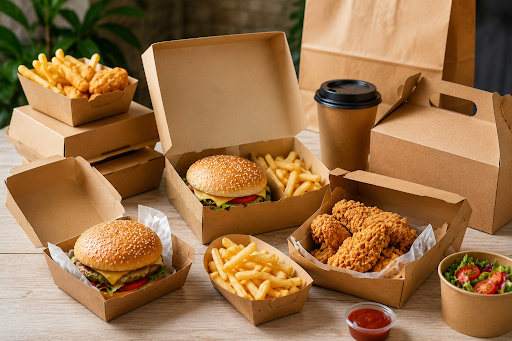
Visual elements can communicate things far more effectively than a written description, including:
- Plating and presentation
- Texture and doneness
- Portion size
- Ingredient sourcing
- Cooking techniques
- Ambience and atmosphere
- Packaging and unboxing
Well-shot photos and videos reduce the guesswork for a customer, making it easier to decide what to order without sacrificing accuracy about what they’ll actually receive.
For newer restaurants and food brands, visuals also improve trust and recall among first-time customers.
Reaching New Audiences Beyond the Restaurant
Food has value well beyond the dining room.
Retailers, distributors, food bloggers, event planners, and everyday home cooks all rely on visual content to decide what to try, stock, or cook next.
Because these audiences may never set foot in a physical location, visual communication helps bridge the gap between a menu item and the experience of actually eating it.
Simple, consistent photography and short-form video make a food brand’s offerings accessible while maintaining credibility.
Social Media Has Become Part of Food Marketing
Many restaurants and food brands now use social media as a primary marketing channel.
Restaurants announce new dishes.
Bakeries showcase seasonal releases.
Food product brands introduce new packaging or flavors.
Local food businesses promote pop-ups and tastings.
Instead of relying solely on text-based announcements, visual posts consistently attract more engagement and encourage wider sharing across platforms.
Creating effective Instagram creative design allows food brands to present dishes and menu items in a visually engaging format that is easy to browse while maintaining a consistent, professional look across their feed. Whether highlighting a new seasonal item or showing behind-the-scenes prep, thoughtful design helps food content reach broader audiences.
Promoting Food Events Through Targeted Campaigns
Pop-ups, tastings, seasonal menu launches, and food festivals remain some of the most effective ways for a food brand to build a following.
However, attracting the right crowd requires more than posting an event flyer.
Food brands increasingly use targeted digital campaigns to promote:
- Restaurant openings and reopenings
- Seasonal menu launches
- Food festivals and pop-ups
- Cooking classes and tastings
- Delivery and catering promotions
- Limited-time product drops
Using Facebook marketing ads enables food brands to reach audiences based on location, dining preferences, and interests. This allows restaurants and food businesses to connect with the diners, home cooks, and local customers most likely to actually walk through the door or place an order.
Combining appetizing visuals with targeted promotion helps increase foot traffic and orders while extending the visibility of a food brand’s events.
Visual Storytelling Builds Trust
Great food often involves careful sourcing and preparation before a dish ever reaches a plate.
Visual storytelling allows food brands to communicate that process rather than presenting only the finished dish.
Examples include:
- Behind-the-scenes kitchen prep
- Farm and supplier visits
- Chef and staff introductions
- Ingredient sourcing stories
- Recipe development process
- Collaborations with local producers
Showing how food is actually made increases transparency and strengthens customer confidence in a brand’s quality and sourcing.
People are more likely to trust a restaurant or product when they understand what goes into it.
Protecting Focus in a Busy Kitchen
While digital tools have transformed how food brands market themselves, they have also increased the number of distractions competing for a chef’s or owner’s attention.
Notifications, social media, and constant online activity can interrupt recipe development, inventory planning, and the actual hands-on work of running a kitchen.
Many chefs and food business owners are now adopting strategies to create more focused work sessions, including limiting access to distracting apps during dedicated prep or planning time. For example, learning how to limit total screen time on iPhone can help reduce unnecessary interruptions and support longer stretches of uninterrupted focus when developing a new recipe or planning a menu.
Small changes to digital habits can meaningfully improve productivity, particularly during menu development, supplier negotiations, or event planning.
Measuring the Impact of Visual Communication
Modern food brands can now evaluate how audiences actually engage with their content.
Useful metrics include:
- Reach and impressions
- Social media engagement
- Website and menu page visits
- Reservation or order conversions
- Event attendance
- Repeat customer rate
- Follower growth
These insights help food brands refine future content while identifying the types of posts that resonate most with their audience.
Looking Ahead
Technology is unlikely to replace what makes food genuinely good. Quality ingredients, skilled preparation, and hospitality will always remain fundamental to the industry.
Instead, strong visual communication complements these fundamentals by making a brand’s food more accessible, appealing, and easier to discover.
As digital platforms continue to evolve, food brands that combine genuinely good food with effective visual storytelling will be better positioned to build a loyal following, fill their tables, and grow beyond their immediate neighborhood.
Final Thoughts
Great food deserves great presentation.
Visual storytelling makes dishes easier to want, encourages sharing, and helps a food brand reach audiences far beyond its own dining room.
As the food industry continues embracing digital communication, combining genuine quality with thoughtful visual content will become an increasingly valuable part of building a lasting food brand.
By presenting food visually and honestly, restaurants and brands not only improve their reach but also strengthen the trust that keeps customers coming back.