From AI-Generated Recipe Videos to Screen-Free Dinners: The Two Sides of Food Culture Online
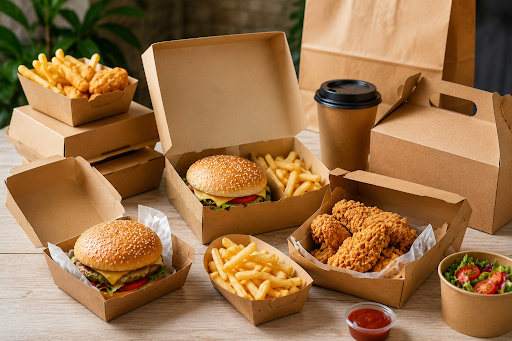
Food has always been one of the most visual categories on the internet. A recipe that photographs well gets saved, a restaurant reel that makes a dish look irresistible gets shared, and a lot of a brand’s success now comes down to how appetizing their content looks scrolling past on a phone. The problem is that producing that kind of content used to require an actual kitchen shoot: a stylist, a camera setup, and hours spent getting a single dish to look right under lights.
That barrier has started to disappear. Small restaurants, home bakers, and food brands can now generate realistic AI videos from a single product photo and a short description, producing polished, appetite-driving footage without booking a studio or a professional shoot. For a local bakery launching a new menu item or a home cook building a following around a signature recipe, this closes a gap that used to separate hobbyists from brands with real production budgets. The dish still has to be good, but the video no longer has to be a bottleneck.
There’s a quieter shift happening on the other side of this trend, though, and it has less to do with content and more to do with the meal itself. Food has traditionally been one of the few remaining moments in a day built around being present, sitting down, sharing a plate, actually talking. That’s harder to protect now that phones sit on the table by default, and it’s a particularly common flashpoint in households with teenagers, where a notification from Snapchat during dinner can pull attention away from the table faster than almost anything else.
This is why a growing number of parents are looking into practical steps like learning how to block Snapchat on iPhone during set hours, rather than relying on an unenforced house rule about phones at the table. A scheduled block during dinner doesn’t require an argument every night, it simply removes the temptation for the window of time that actually matters, which tends to be far more effective than asking a teenager to self-regulate against an app designed to pull them back in.
Taken together, these two trends aren’t really in tension, they’re both about being intentional with technology in the same is true for AI short video content. Food brands are using AI to create more engaging and accessible videos, while families are setting simple digital boundaries to ensure that at least one meal each day remains free from screens. Social media automation is where a user is able to manage social media accounts by automating and scheduling repetitive tasks using software. It helps streamline tasks such as publishing, scheduling, and managing social media content. Both are just tools. What matters is using them on purpose.